
CertTranslateCertTranslate
Notarized translation standardVerified June 2026

Document Translation Requirements in Russia

Official bodies in Russia generally require a notarized translation of foreign-language documents, and many documents also need an apostille or legalization before they are translated. Below: who can translate, when an apostille is needed, and where the official rules are published.

Russia requirements at a glance

Translation standardNotarized translation (Notarised)
Who can translateAny competent translator whose signature can be notarised
ApostilleRequired for foreign public documents unless exempt by treaty
Accepted languagesRussian
Responsible authorityMinistry of Justice / Ministry of Foreign Affairs (apostille)
Important: In Russia, the legal validity of a translation derives from the notarisation of the translator’s signature — not from translator licensing.

Who can translate documents for use in Russia?

Russia does not operate a court-sworn or licensed translator system. Any competent translator may prepare a translation. However, for official use, the translator’s signature must be certified by a Russian notary.
What makes a translation official in Russia?

A notarised translation in Russia typically includes:
  • The original document
  • The full translation into Russian
  • A notarial certificate confirming the authenticity of the translator’s signature
  • The notary does not verify translation quality — only the identity of the translator and authenticity of their signature.

    Where can I find a notary?

    Official notaries in Russia are registered with Rosreestr (Federal Service for State Registration, Cadastre and Cartography). You can search by region using the official notary portal: Official Notary Search (Rosreestr) .

    How does Russia treat documents from abroad?

    Foreign public documents intended for use in Russia must:
  • Be apostilled or legalised in the country of origin (unless treaty exemptions apply)
  • Be translated into Russian
  • Have the translation notarised by a Russian notary
  • Legal basis

    Notarial activities in Russia are governed by the Fundamentals of Notarial Legislation of the Russian Federation. Apostilles are issued by competent regional authorities in accordance with the Hague Apostille Convention.

    Ready to translate your Russian documents?

    Certified for USCIS, universities, and credential evaluators — from $24.95/page.

    Start my translation

    Which direction are your documents going?

    Translating Russian documents for the U.S.?

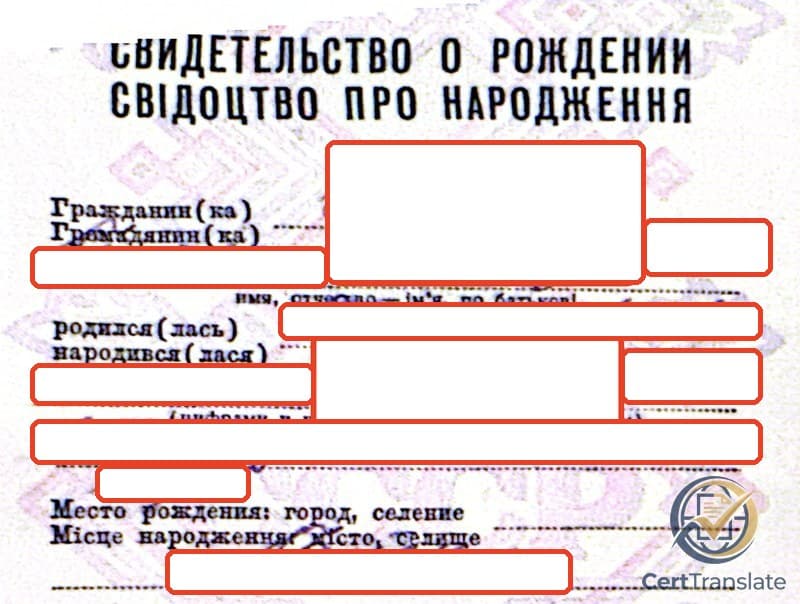
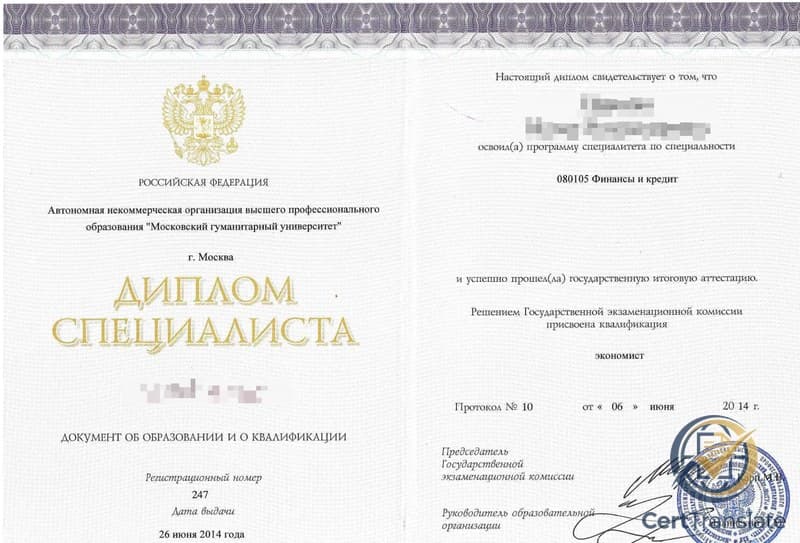
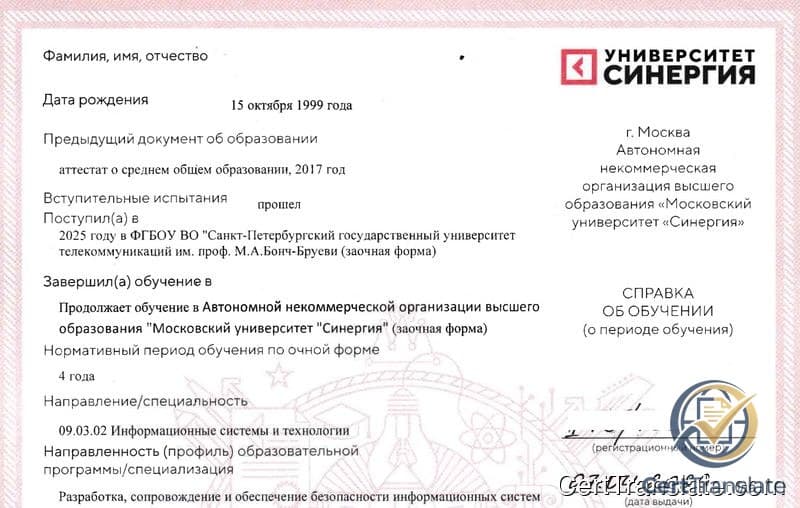
    Russian birth certificates, diplomas, and transcripts submitted to USCIS, universities, or credential evaluators need a certified English translation — that is exactly what we do, with a 100% USCIS acceptance guarantee.

    Sending U.S. documents to Russia?

    U.S.-issued documents usually need an apostille before they can be used in Russia — and the apostille should be obtained before the translation, so the certificate itself gets translated too. We offer e-apostille processing as an add-on to any order.

    Real casework

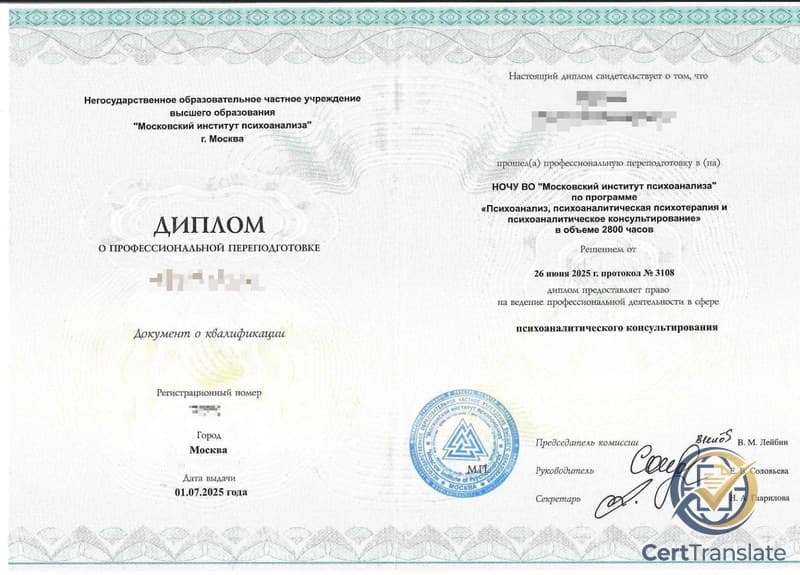
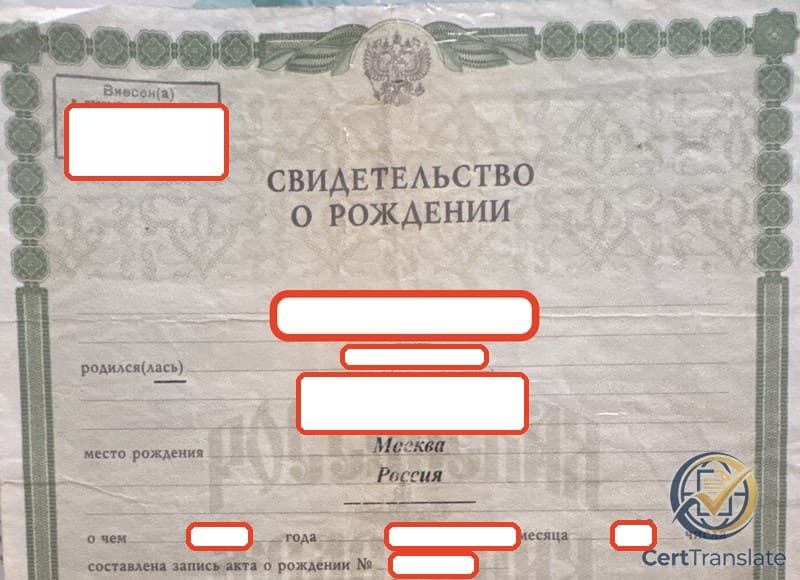
    Real Russian translation cases we've handled

    Anonymized Russian-to-English orders. Each case shows the exact translation problem and how we solved it for the receiving authority.

    Russia translation requirements — FAQ

    What type of translation does Russia require?

    Russia follows the notarized translation standard for official documents. Translations should be completed by: any competent translator whose signature can be notarised.

    Is an apostille required for foreign documents in Russia?

    Required for foreign public documents unless exempt by treaty

    What languages do Russian authorities accept?

    Official authorities in Russia accept documents in: Russian. Documents in any other language need a notarized translation before submission.

    Can CertTranslate help with documents for Russia?

    If you are submitting Russian documents to U.S. authorities (USCIS, universities, credential evaluators), yes — our certified translations are accepted nationwide. For official use inside Russia, authorities generally expect a notarized translation; check the official guidelines linked on this page. We can also advise on apostille requirements for U.S.-issued documents.

    Requirements in related countries

    Neighbors and countries with a similar translation standard.

    Sources

    Information verified against official sources. Last verified June 2026.

    Need a certified Russian translation?

    Signed Certificate of Accuracy with every order, 100% USCIS acceptance guarantee, optional notarization and e-apostille — delivered in 24–48 hours.