What Counts as a Name Mismatch on Documents?
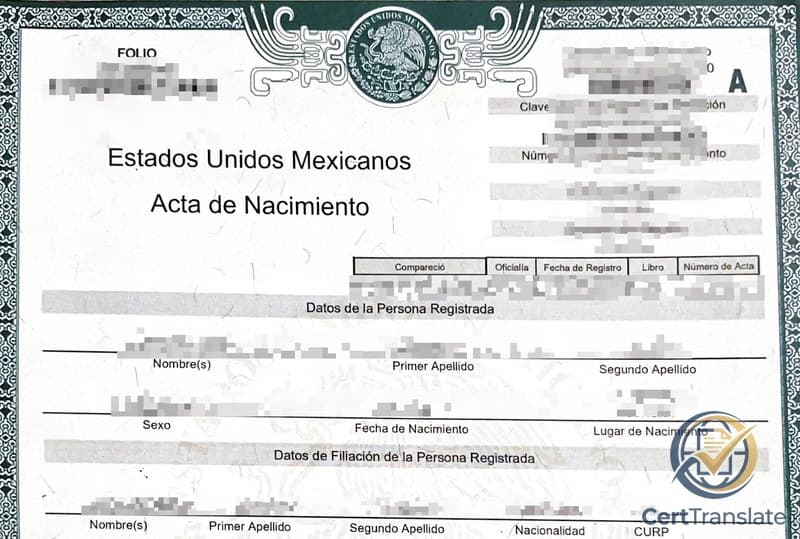
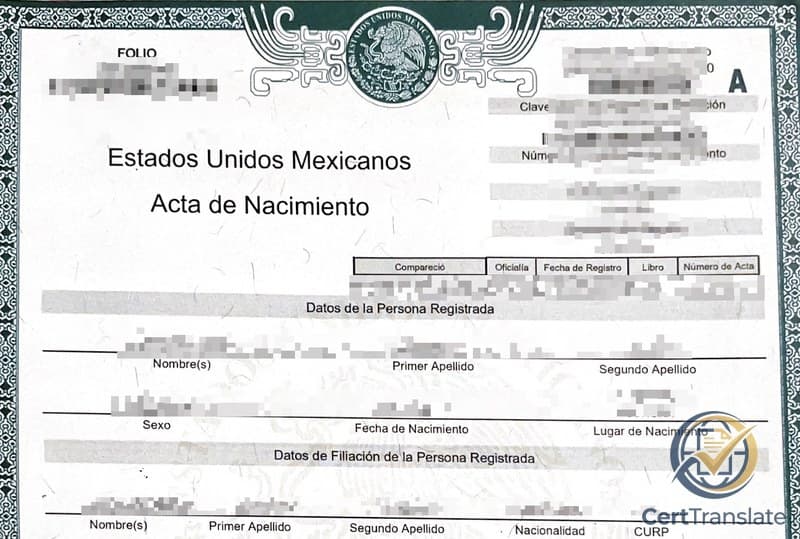
A name mismatch on documents exists when the same person is identified differently across records in a way that could affect how the packet is read. Common examples include spelling changes, reversed name order, double surnames used inconsistently, maiden and married surnames, or transliteration differences between non-Latin and Latin alphabets. A /documents/birth-certificate may show one structure, while a /documents/passport or /documents/marriage-certificate shows another.
Not every difference means the record is wrong. USCIS notes that foreign names are constructed differently across cultures, so the real question is whether the packet explains the variation clearly enough for the reviewer to connect the records to one person.
Same person, different order
A record can be valid even if one document lists family name first and another lists given name first, so long as the packet clearly supports the same identity.
Why Different Name on Documents Problems Happen
Most mismatches happen for ordinary administrative reasons, not because someone is trying to hide anything. USCIS itself gives examples of foreign name order differences and multi-surname naming conventions, and those examples explain a large share of the confusion people see in immigration packets. Add romanization into the mix and a name in Arabic or Russian can legitimately appear in more than one Latin-letter spelling across records.
Legal life events add another layer. Marriage, divorce, adoption, and court-ordered name changes can all create a different name on documents even when every record was issued correctly. That is why a /documents/marriage-certificate often matters as the bridge between an older record and the current filing name.
Transliteration plus life event
An applicant may have one passport spelling derived from Arabic transliteration and a different surname after marriage, both of which need explanation rather than guesswork.
How Translators Handle a Name Discrepancy Without Rewriting the Record
A translator should not silently "fix" a name mismatch by rewriting the source record into the version that seems most convenient. The translation still has to follow 8 CFR 103.2(b)(3), which requires a full English translation with a certification that it is complete and accurate. That means the translated document should reflect the source document as issued, not a cleaned-up theory of what the applicant wishes it said.
In practice, translators handle name discrepancy translation by reproducing the source spelling faithfully and then helping the packet stay readable. That can mean translating related records together and, when needed, using a translator note or cover explanation for a transliteration or name-order issue. The note does not change the record. It only points out the discrepancy so the packet can be read correctly.
Translate first, explain second
A translator may preserve the passport spelling exactly, then flag that the birth certificate uses a different romanization so the filing package stays transparent.
Name Mismatch USCIS Review: What Officers Look For
USCIS says officers review the evidence supporting the name provided in the benefit request, and the Policy Manual states that if the submitted documents do not support the name claimed, an officer may request additional evidence. That is the key operational point. A mismatch does not automatically mean denial, but it can create an evidence problem if the packet does not show how the versions connect.
USCIS also tells filers to write their name, date of birth, and A-Number the same way on each form unless there has been a legal change and proof is provided. In practical terms, the cleanest packet is one where the forms use one supported legal name, the translated records preserve their source wording, and the bridge documents explain the difference. If the problem is on a USCIS-issued document itself, USCIS publishes a separate correction workflow.
Evidence problem, not translation magic
If the filing claims one name but the records point to another without explanation, USCIS may ask for the link rather than assume the translator made the right choice.
How to Prevent Name Mismatch on Documents Problems Before Filing
The best prevention step is to think in packets, not pages. Submit the records that explain the name path together: the civil record, the passport if relevant, and the marriage certificate, divorce decree, court order, or other legal document that bridges the difference. When you wait to explain the mismatch later, the case often becomes slower and more stressful than it needed to be.
The second prevention step is translation coordination. When related records are translated together, the reviewer can see dates, places, and identity details handled consistently across the full set. Before filing, compare the spelling used on the USCIS forms with the evidence supporting that spelling. If the legal name has changed, include proof. If the issue is foreign name order or transliteration, explain it clearly rather than trying to hide it.
Bridge documents upfront
A packet is easier to review when the translator includes the birth record, marriage record, and passport together instead of forcing USCIS to infer the name history from one page.
Practical Examples
These examples show how name mismatches become manageable when the packet explains the reason for the difference instead of pretending the records match perfectly.
Elena's double-surname packet
Scenario: Elena files with a birth certificate showing two surnames, a passport using one surname consistently, and a marriage certificate reflecting her current married name.
Workflow: The translations preserve each document exactly, and the packet includes the marriage record as the bridge explaining why the filing name is not identical to the birth record.
Outcome: The reviewer can follow the identity trail without assuming the translation changed the underlying record.
Hassan's transliteration issue
Scenario: Hassan has one Arabic-name spelling on a passport and a slightly different Latin-letter spelling on a civil record used for a family-based case.
Workflow: The translator reproduces both source spellings, flags the transliteration variance, and the filing uses supporting evidence to show both records refer to the same person.
Outcome: The mismatch becomes an explained discrepancy instead of an unexplained identity problem.